Do You Need a Duvet Cover with a Comforter?
- Cotton Home
- Dec 10, 2025
- 3 min read

When setting up your bed, you’ve probably wondered:“Do I really need a duvet cover if I already have a comforter?”
It’s a common question—especially when both bedding items look similar at first glance.
But understanding the purpose of a duvet cover and how it complements your comforter can help you create a cleaner, cozier, and longer-lasting sleep setup.
Let’s break it down so you can make the best choice for your bedroom.
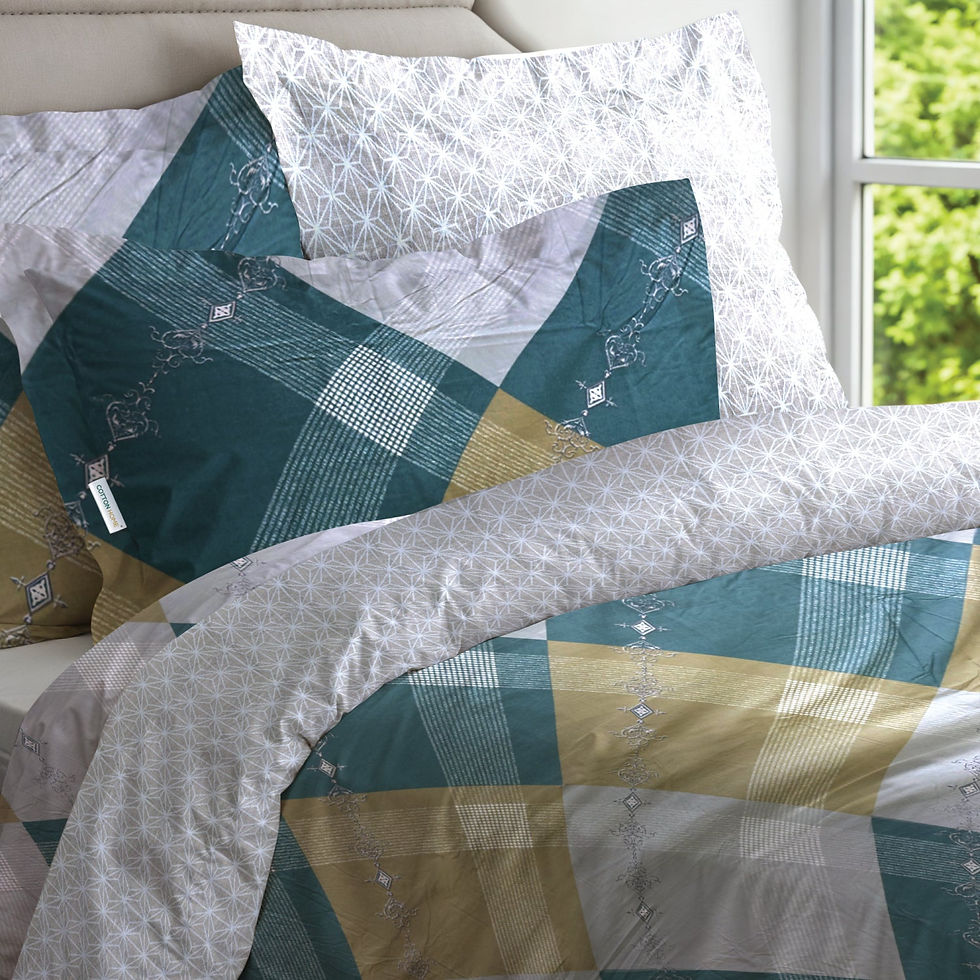
Comforter vs. Duvet Cover: What’s the Difference?
Before deciding whether you need a duvet cover, it helps to understand the basics.
What Is a Comforter?
A comforter is a standalone, quilted blanket filled with materials like microfiber, cotton, down, or polyester. It is stitched to keep the filling evenly distributed. Comforters come in a fixed design, meaning the color and pattern on them are permanent.
What Is a Duvet Cover?
A duvet cover is like a protective, washable shell for a duvet (or even a comforter). Think of it like a pillowcase for your duvet. It adds a layer of protection, style, and hygiene.
So, technically, comforters don’t require duvet covers—but using one brings multiple benefits you might not expect.
Do You Need a Duvet Cover with a Comforter?
Short answer: You don’t need a duvet cover for a comforter, but using one is highly recommended for cleanliness, longevity, and convenience.
Here’s why.
1. A Duvet Cover Keeps Your Comforter Clean
Comforters are thick and bulky, which makes them harder to wash frequently.Most washing machines don’t even support large king-size comforters.
A duvet cover, being lightweight and easy to remove, acts as a protective barrier against:
Sweat
Body oils
Makeup stains
Dust
Pet fur
Spills
This means your comforter stays clean for months, while you only need to wash the cover weekly—just like a bedsheet.
2. It Extends the Life of Your Comforter
Comforters lose fluff, color, and structure over time due to repeated washing. Keeping them inside a duvet cover significantly reduces wear and tear.
With a cover:
Fabric stays bright and fresh
Filling stays evenly distributed longer
Edges don’t fray quickly
Your comforter lasts years longer with this simple protection.
3. Duvet Covers Let You Change Your Room Décor Easily
Comforters usually come in fixed designs. If you want to switch styles—maybe from minimal beige to floral blue—you’d typically need to buy a new comforter.
Duvet covers solve that problem instantly.
They let you:
Change bedroom themes seasonally
Match décor for festivals, guests, or new furniture
Enjoy multiple looks with one comforter
It’s a simple, affordable way to refresh your bedroom anytime.
4. Better Hygiene for Allergy-Prone Sleepers
If you have allergies or asthma, bedding hygiene is crucial.A duvet cover can be washed frequently at high temperatures, helping remove:
Dust mites
Allergens
Pollen
Odors
This makes your sleep environment cleaner and safer—especially if you share your bed with kids or pets.
5. Duvet Covers Are More Breathable & Comfortable
Many duvet covers are made from breathable materials like:
100% cotton
Bamboo fabric
Linen
Microfiber
These fabrics allow better airflow, especially during summer.Instead of sleeping directly under a comforter that may feel warm, a duvet cover gives you a soft, cool layer against your skin.
6. Easier Maintenance During Seasonal Changes
In winter, you need your comforter daily.In summer, you may switch to a light bedsheet or blanket.
With a duvet cover:
You can store your comforter safely without dust buildup
The cover keeps it fresh for months
You avoid the trouble of deep cleaning before reuse
Think of it as off-season protection for your most expensive bedding item.
7. It Adds Weight Stability for a Better Sleep Experience
Some comforters, especially microfiber ones, tend to slip or bunch up during the night. A duvet cover provides grip and shape, helping:
Keep the comforter in place
Maintain even coverage
Prevent midnight tossing-and-turning battles with your blanket
With corner ties (common in modern covers), the comforter stays perfectly secure.
When You May Not Need a Duvet Cover
You might skip a duvet cover if:
Your comforter already has a removable, washable outer shell
You prefer the comforter’s fabric directly on your skin
You replace your comforter frequently
But for most homes, especially humid or high-usage environments, a duvet cover is a smart choice.
Final Verdict: Should You Use a Duvet Cover with a Comforter?
Yes—100%.
Even though comforters don’t require covers, using a duvet cover gives you:
✔ Better hygiene✔ Easy washing✔ Longer lifespan✔ Style flexibility✔ More comfort✔ Allergy protection
It’s a simple upgrade with long-term benefits for your sleep and bedroom aesthetics.
If you love a clean, cozy, and stylish bed, pairing your


Comments